How Used Car Average Price Trends Create Opportunities for China Car Sales Partners

Used car average price trends can help you identify the buyers most likely to consider vehicles imported from China. If you are a used car dealer, an independent trader, a social media seller, or an entrepreneur with contacts in your local market, you can match customers with vehicles that fit their budgets without tying up your own money in stock. JH Auto gives you a way to sell used cars from China while the company handles the export process. You focus on finding buyers, understanding their needs, and presenting suitable vehicles at a price they are prepared to consider. This model is worth examining if your customers regularly ask for better value than they can find locally.
What Used Car Average Price Tells You About Buyers
Average used car prices offer a starting point for understanding customer expectations, but the number alone does not tell the whole story. Buyers in lower price segments may accept an older model or fewer features if the vehicle meets their practical needs. Customers with larger budgets may care more about condition, equipment, model choice, or the value of a particular vehicle. A small business owner looking for a work vehicle has different priorities from a family comparing SUVs or a trader seeking cars for local retail customers. As a sales partner, you can use conversations with these buyers to establish realistic budgets, preferred body styles, and acceptable vehicle conditions before presenting available options. Rather than trying to sell every car to every customer, build your approach around the buyers you already understand.
Average prices also need context. A change in the typical selling price does not mean every vehicle has become cheaper or more expensive, and prices in one market may not translate directly to another. Imported vehicles involve costs beyond the advertised car price, including shipping, customs requirements, and other expenses that may apply in the destination country. Buyers need a clear explanation of what a quote covers and which costs remain their responsibility. Your knowledge of the local market helps you understand which models attract enquiries, what objections customers raise, and how much they can spend. These conversations help you identify serious prospects instead of promoting vehicles that are unlikely to suit your audience.
Turning Market Demand Into Sales Without Holding Stock
For independent sellers, one major obstacle is the cost of keeping vehicles available before a buyer commits. Buying stock requires capital, and an unsold vehicle can tie up money while customer preferences change. JH Auto’s partner program works differently. You do not purchase or hold inventory, and there is no joining fee or upfront investment. Instead, you select vehicles from JH Auto’s daily-updated inventory when a customer is ready to consider a specific car. This lets you respond to actual enquiries rather than guessing which vehicles might sell weeks later. If a customer wants to compare options within a budget, you can review available stock and present relevant choices without buying the cars yourself. The private online sales system gives you the tools to present those choices. You can generate a customer-specific quote link with real vehicle photos and share it through a messaging app or social media conversation. This is more useful than sending a generic promotional post when someone wants details about a particular car. The customer can review the vehicle under discussion while you work toward a suitable selling price. JH Auto allows partners to set customer-specific prices up to 60% above the FOB Nansha base price, subject to the system limit. Your earnings come from the price difference after applicable deductions, so the final amount depends on the vehicle, agreed selling price, and relevant deductions. The system limit does not guarantee a particular profit, and each opportunity needs to be assessed on its own terms.
What Happens After a Customer Is Ready to Buy
Closing a sale involves more than agreeing on a vehicle and price. Buyers may want reassurance about inspection, payment arrangements, export paperwork, and delivery to their destination port. JH Auto handles vehicle sourcing, quality inspection, the formal contract, payment collection, customs clearance, and shipping to the destination port. You can focus on communicating with the buyer while the company manages these export responsibilities. Explain the difference between the FOB Nansha base price and the customer’s full import costs, since destination charges and local requirements can affect the final amount paid. After the vehicle is exported or shipped, earnings are settled according to the signed partnership agreement, typically about 2 to 4 weeks after shipment. For sellers with potential buyers who do not want to manage inventory or export operations, this arrangement offers a practical route into cross-border car sales.

Becoming a JH Auto partner involves an application and review process rather than immediate approval. You submit an application with your social media profiles, publish JH Auto promotional content, and complete a 7-day social media review. Identity verification follows, then you sign the partnership agreement if your application proceeds successfully. Your existing audience, trading contacts, or local buyer relationships can provide a starting point, but results still depend on finding genuine demand and setting sensible prices. Review the partnership requirements and submit your application through the JH Auto website’s Apply page at /apply/.
Related Articles
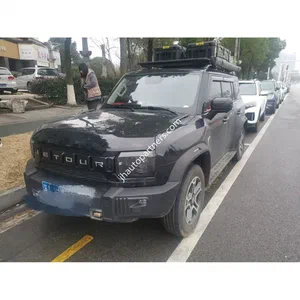 How Dealers Can Profit From Used Cars Dealerships Under $5000 as JH Auto Partners
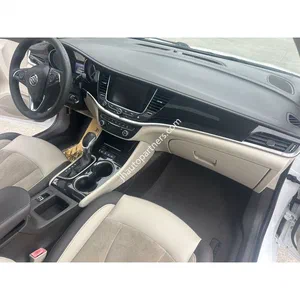 How Honda Civic Used Car Prices Can Create Sales Opportunities for JH Auto Partners
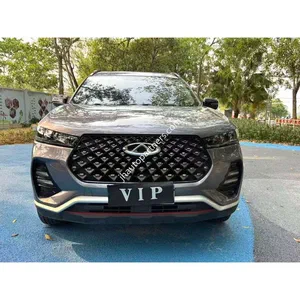 How JH Auto Partners Can Profit From Best Used Car Value for Money Demand
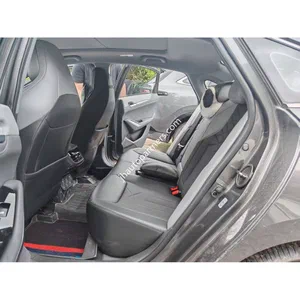 How Sales Partners Can Profit From Sourcing Honda CR-V Hybrids From China