What's the Difference Between Preowned and Certified Pre Owned Cars for Sellers?
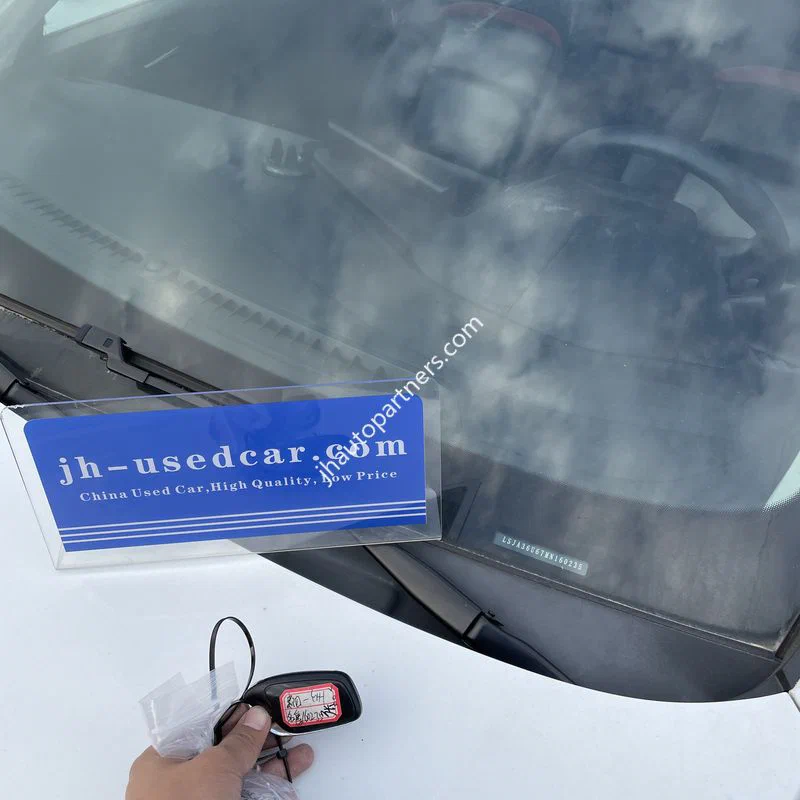
The difference between preowned and certified pre-owned cars matters to sellers because buyers consider more than the vehicle itself. A used car trader may have customers looking for affordable transportation, while a dealer or social media seller may speak with buyers who want documented inspections and greater confidence in a vehicle’s condition. Understanding these categories helps you explain the options clearly and match a car to the buyer’s expectations. For entrepreneurs with access to potential customers, the JH Auto Partners Program offers a way to promote used cars from China without purchasing vehicles or keeping inventory on hand.
What Buyers Mean by Preowned and Certified Pre-Owned
A preowned car is a vehicle that has had a previous owner. The term covers many types of used vehicles, with condition, service history, mileage, and price varying from one car to another. Certified pre-owned, often shortened to CPO, generally refers to a used vehicle that has passed a defined inspection and certification process under a manufacturer’s or seller’s program. Requirements vary, so a car should not be described as certified simply because it appears to be in good condition. Buyers considering ordinary preowned cars often focus on affordability and suitability, while CPO shoppers may ask about inspection records, eligibility requirements, warranties, or other certification benefits. For sellers, that distinction shapes the conversation before a customer requests a quote. A buyer looking for practical daily transportation may be comfortable comparing used vehicles by condition, features, and purchase cost. Another customer might ask who inspected the car, what documentation is available, or what protection comes with the purchase. These are familiar concerns for anyone who sells vehicles in person or handles inquiries through social media. Explain what the available vehicle information confirms, and be clear about anything that has not been verified. If a car has not been certified under a recognized program, do not present it as certified pre-owned. In cross-border sales, buyers also need clear information about payment, export procedures, and delivery to the destination port.
Turning Buyer Questions Into Sales Opportunities
The difference between these categories gives sellers a practical starting point for qualifying customers. Ask what matters most to the buyer, such as price, model, condition, inspection information, or specific features. Someone focused on affordability may consider suitable preowned vehicles, while a customer expecting formal certification may require a car that meets a particular program’s standards. Establish those expectations before recommending an option. You should also be prepared for questions about buying from China, vehicle condition, payment arrangements, and shipping. If you already have a network of local buyers, a customer list, or an audience that follows your vehicle content, you have a starting point for promoting suitable cars without operating a dealership full of stock.

JH Auto’s China-based used vehicle export program lets partners work with buyers without tying up money in inventory. There is no joining fee or upfront investment, and partners do not purchase or hold vehicles. Instead, you access a private online sales system with a daily-updated inventory and select a car when a customer is ready. You can generate a customer-specific quote link featuring real vehicle photos and share it directly with the buyer through a message or social media conversation. The system lets you set a customer-specific selling price up to 60% above the FOB Nansha base price, subject to its limit. Your earnings come from the price difference after applicable deductions, so understanding the customer’s budget and explaining the quote accurately are essential parts of the sales process.
JH Auto handles vehicle sourcing, quality inspection, the formal contract, payment collection, customs clearance, and shipping to the destination port. After a customer chooses a vehicle and proceeds with payment, the transaction moves through those export procedures rather than leaving you to manage the shipment yourself. Your role is to introduce the available cars, discuss the vehicle information, share the quote, and maintain clear communication while the customer decides. Earnings are settled after the vehicle is exported or shipped, typically about two to four weeks after shipment, according to the signed agreement. Plan around that payment timing instead of treating an inquiry or shared quote as completed income. Also, do not assume that a vehicle offered through the export program has CPO status. Check the available documentation before making any claim about certification under a manufacturer’s program.
For dealers, traders, and independent sellers, this arrangement may suit a business built around finding customers rather than buying stock in advance. You can respond to specific buyer needs, share real vehicle details when a prospect is ready, and leave the main export procedures to JH Auto. The application process requires you to submit your social media profiles, publish JH Auto promotional content, complete a seven-day social media review, verify your identity, and sign the partnership agreement. Review the application requirements and submit your details through the JH Auto website’s Apply page at /apply/.
Related Articles
 How Honda Civic Used Car Prices Can Create Sales Opportunities for JH Auto Partners
 How Sellers Can Profit From Sourcing Used Cars Honda Civic 2012 From China
 How Used Car Prices By Model Can Help You Find Profitable Sales Opportunities
 How Dealers Can Profit From Used Cars Dealerships Under $5000 as JH Auto Partners